Decoding the Distinct Worlds of Cigars and Cigarettes
Dive into the world of cigars with our detailed guide on sizes and shapes. Understand how dimensions and contours influence flavor and smoking experience.
The tradition of smoking a cigar is steeped in a rich tapestry of history and culture, dating back to the ancient indigenous peoples of the Caribbean and Mesoamerica. It has since evolved into a symbol of sophistication and leisure. Understanding the allure of cigar smoking is akin to appreciating a fine wine—it’s an art that celebrates complexity, aroma, and flavor.

To embark on this indulgent journey, certain key elements are essential to ensure a fulfilling experience:
For those looking to dive deeper into this luxurious pastime, exploring the offerings at Sydney Cigar House can be a gateway to discovering an array of cigars and accessories in Sydney’s prime locations including Bondi Junction, Haymarket, and the Strand Arcade. Embark on this aromatic adventure with confidence and anticipation for the sensory delights that await.
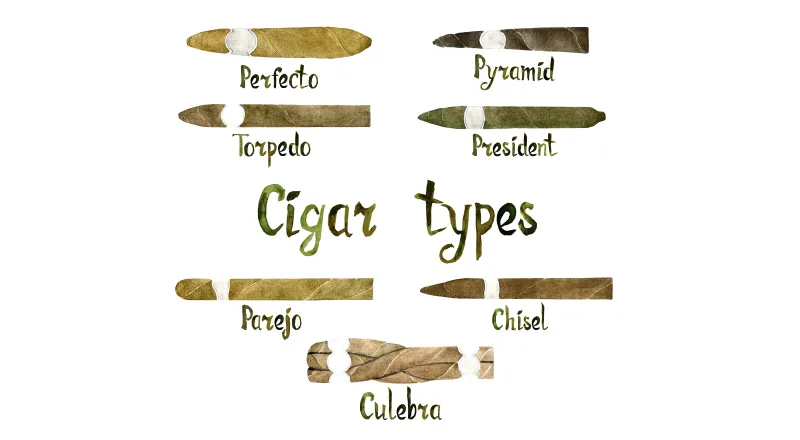
Selecting the ideal cigar is a crucial step in your smoking journey, often affecting how much you enjoy the experience. When it comes to choosing a cigar, there are several important things to think about:
Each cigar shape, known as a vitola, offers a distinct smoking experience:
The color of a cigar wrapper can give you an idea of its flavor strength:
Before you buy a cigar, take a moment to inspect its condition:
Remember that personal preference plays a significant role here. You might enjoy the quick satisfaction of smoking a corona during a short break in the afternoon, or perhaps you prefer to unwind in the evening with a Churchill cigar that lasts for hours. Now that you know about different cigar shapes, flavors, and sizes, you’ll be able to choose the right cigar for yourself and get ready for the next steps of cutting and lighting it correctly.
Before you buy a cigar, take a moment to inspect its condition:
Remember that personal preference plays a significant role here. You might enjoy the quick satisfaction of smoking a corona during a short break in the afternoon, or perhaps you prefer to unwind in the evening with a Churchill cigar that lasts for hours. Now that you know about different cigar shapes, flavors, and sizes, you’ll be able to choose the right cigar for yourself and get ready for the next steps of cutting and lighting it correctly.
Cutting a cigar correctly is crucial to fully enjoying it. An improper cut can result in an uneven burn or a tight/loose draw, which can take away from the pleasure of smoking.
Before you buy a cigar, take a moment to inspect its condition:
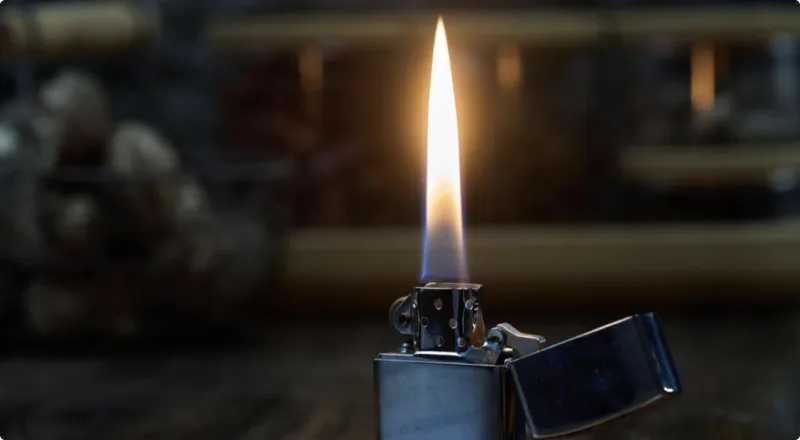
Lighting a cigar is an art that enhances the smoking experience. It begins with selecting the appropriate tool for ignition. Here are two preferred methods:
Dive into the world of cigars with our detailed guide on sizes and shapes. Understand how dimensions and contours influence flavor and smoking experience.

Dive into the world of cigars with our detailed guide on sizes and shapes. Understand how dimensions and contours influence flavor and smoking experience.


Inspired by horse breeds, the blend is composed of only proprietary hybrid seeds – a novelty for Davidoff. It features Dominican vintage tobaccos in the filler which add complexity and smoothness.



Public Health (Tobacco) Act 2008
Selling tobacco products or e-cigarettes to persons under 18 years of age is a criminal offence
Maximum penalty $110,000
Report offences to the Ministry of Health on 1800 357 412 or to your nearest police station
Ministry of Health

You must be over 18 to preview our website